Water Line Flushing
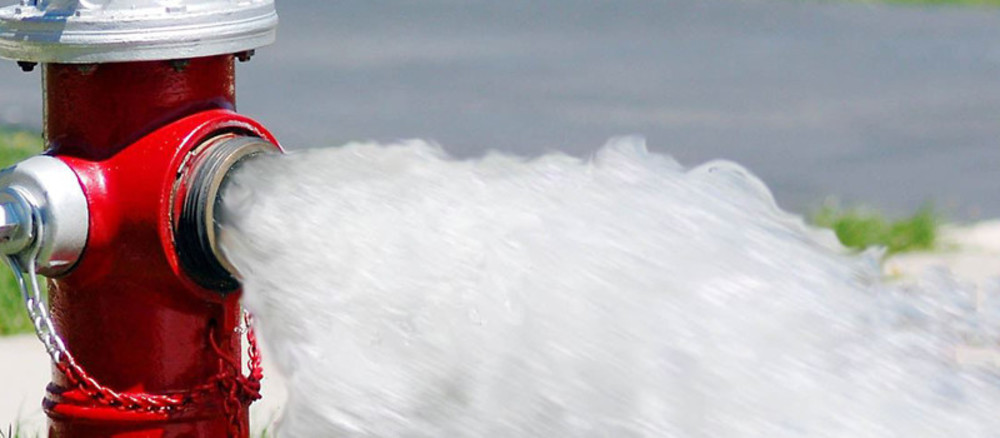
To keep your drinking water clear and the water mains in good shape, our crews carry out flushing work throughout the year. There are three different flushing programs, each with its own purpose and schedule.
Why we flush
Over time, naturally occurring sediment settles to the bottom of water mains. Flushing moves water through the pipes at high speed, which scours the sediment loose so it can be discharged through a fire hydrant. The result is cleaner water at your tap and a longer lifespan for the system.
Our three flushing programs
Regular dead-end flushing
Dead-end hydrants — the ones at the ends of streets where the water main stops — collect sediment more easily because water doesn't flow past them as often. We flush about 60 of them on a four-week rotation, year-round, to keep that water moving and clear.
Reactive flushing
Reactive flushing happens in response to a specific event in the system — most often a watermain break, a repair, or a water quality concern that needs to be addressed quickly. When something disrupts normal flow, sediment can get stirred up or stagnant water can sit in an isolated section, so crews flush the affected area through a hydrant to restore normal conditions.
Because reactive flushing responds to events as they happen, the timing isn't predictable the way it is for our regular and UDF programs. You'll usually be notified through Voyent Alert! when reactive flushing is happening in your area.
Unidirectional Flushing (UDF)
UDF is a multi-year, summer-only program that systematically deep-cleans the entire distribution system, zone by zone. Crews isolate sections of water main and force high-velocity water through them in a single direction, which scours the inside of the pipes more thoroughly than regular flushing. Over the course of the program, every part of the system gets covered.
If your water looks cloudy or discoloured
Any kind of flushing can stir up sediment that briefly makes the water in your home look cloudy or discoloured. It's temporary and isn't a sign of a water quality problem. If you notice it, run cold water only for about 10 to 15 minutes, or until it runs clear.
Don't use hot water until your cold water has cleared. Otherwise discoloured water ends up in your hot water tank, where it's much harder to flush out. If your water still hasn't cleared after a couple of attempts, give us a call.
Stay informed
We use Voyent Alert! to send notifications about all three of our flushing programs. If you haven't already, sign up for Voyent Alert! to get a heads-up about any flushing work happening near you.
Questions?
If you have questions about water line flushing or water quality in your area, give City Hall reception a call at (506) 548-0400.